Strata Roof Leaks: Is Full Replacement Necessary or Are You Being Oversold?
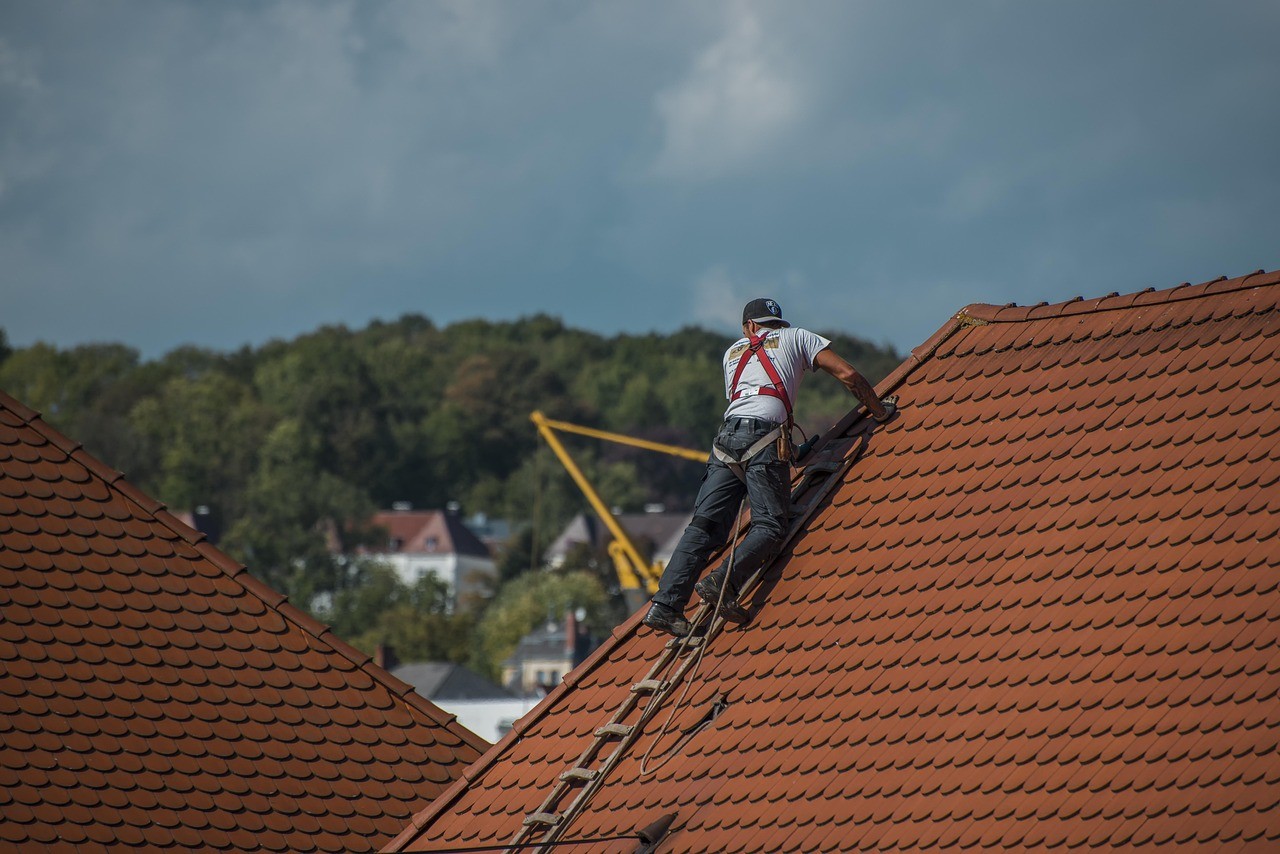
Strata Roof Leaks: Is Full Replacement Necessary or Are You Being Oversold?
Roof leaks are one of the most stressful and expensive issues faced by apartment owners and owners corporations in NSW strata schemes.
A single leak can quickly escalate into disputes between owners, emergency repairs, insurance claims, waterproofing investigations, special levies, and pressure to approve major capital works costing hundreds of thousands — sometimes millions — of dollars.
In many cases, committees are told the “only solution” is full roof replacement.
But is that always true?
Not necessarily.
Some roofs genuinely require complete replacement due to age, structural deterioration, membrane failure, or widespread water ingress. However, in other situations, owners corporations may be approving large-scale works when more targeted remediation could have been viable.
Understanding the difference matters because roof decisions can significantly affect:
Special levies
Strata loan requirements
Property values
Insurance risks
Future maintenance obligations
Capital works planning
This guide explains how strata roof leaks are typically assessed in NSW, when full replacement may be justified, when repair strategies may work, and how owners corporations can make informed decisions without panic or sales pressure.
Key Takeaways
Quick Summary
Not every strata roof leak requires full roof replacement.
Many roof failures stem from waterproofing issues, drainage problems, flashing deterioration, or poor maintenance.
Owners corporations should usually obtain multiple independent assessments before approving major works.
Temporary patching can sometimes worsen long-term costs if underlying defects are ignored.
Capital works funds and long-term maintenance planning play a major role in how roof projects are funded.
Special levies and strata loans are common funding mechanisms for large roof remediation projects in NSW.
Independent engineering advice is often critical before approving expensive replacement proposals.
What Causes Roof Leaks in Strata Buildings?
Roof leaks in apartment buildings are not always caused by the roof itself.
Water ingress can travel significant distances through a building before becoming visible inside a unit. This means the visible leak location is not always the actual failure point.
Common causes of roof leaks in NSW strata schemes include:
Waterproofing Membrane Failure
Waterproof membranes deteriorate over time due to:
UV exposure
Temperature changes
Ageing materials
Poor installation
Structural movement
This is particularly common in:
Rooftop terraces
Podium decks
Flat roofs
Buildings constructed during high-volume apartment booms
Waterproofing failures are one of the most common building defect issues in Australia.
Flashing Failure
Roof flashing seals joins and transitions around:
Air-conditioning penetrations
Skylights
Roof edges
Exhaust vents
Parapets
Deteriorated or poorly installed flashing can allow water entry even when the broader roof structure remains sound.
Blocked Drainage
Blocked roof drainage systems can create ponding water, increasing pressure on membranes and accelerating deterioration.
Common issues include:
Leaf build-up
Insufficient drainage design
Blocked box gutters
Inadequate overflow provisions
Structural Movement
Buildings naturally move over time due to:
Thermal expansion
Settlement
Wind loads
Concrete shrinkage
Movement can crack membranes, sealants, and waterproofing systems.
Poor Previous Repairs
Repeated patch repairs without identifying root causes can create ongoing leak cycles.
This often leads to escalating maintenance costs and frustration for owners.
Does a Roof Leak Automatically Mean Full Roof Replacement?
No.
A roof leak does not automatically mean the entire roof requires replacement.
This is one of the most important concepts owners corporations should understand.
In some cases:
Localised repairs may be sufficient.
Sectional membrane replacement may resolve the issue.
Drainage upgrades may solve recurring water ingress.
Preventative maintenance may extend roof life significantly.
However, there are situations where replacement becomes economically or technically justified.
The challenge is determining which scenario applies.
When Full Roof Replacement May Be Necessary
Full roof replacement is more likely to be justified when there is:
Widespread Membrane Failure
If testing reveals extensive waterproofing failure across large roof areas, isolated patching may no longer be effective.
This is particularly relevant for older flat membrane roofs.
End-of-Life Roofing Systems
Roof systems have finite service lives.
Approximate indicative lifespans include:
Roof Component | Indicative Lifespan |
|---|---|
Torch-on membranes | 15–25 years |
Metal roofing | 30–50 years |
Waterproof membranes | 15–25 years |
Sealants and flashing | 10–20 years |
Actual lifespan depends heavily on:
Installation quality
Maintenance
Environmental exposure
Building movement
Structural Water Damage
If water ingress has caused deterioration to structural components, replacement scope can expand significantly.
This may include:
Concrete cancer remediation
Timber rot
Corrosion
Internal mould rectification
Multiple Failed Repair Campaigns
If years of patch repairs have failed repeatedly, owners corporations may conclude replacement is more cost-effective over the long term.
Insurance or Compliance Issues
In some cases:
Insurers may impose conditions
Engineers may identify safety risks
Compliance obligations may require upgrades
This can influence replacement decisions.
When Owners Corporations May Be Getting Oversold
Not every large roofing proposal represents deliberate misconduct.
However, there are situations where owners corporations may receive recommendations that are broader than necessary.
This can occur due to:
Conservative contractor risk management
Limited diagnostic investigation
Commercial incentives
Poor-quality initial scoping
Lack of independent engineering advice
Common Warning Signs
Immediate Replacement Recommendations Without Investigation
A proposal for full replacement before:
moisture testing,
membrane testing,
drainage assessment, or
engineering review
may warrant further scrutiny.
Only One Quote
Large strata projects should generally involve:
multiple quotes,
independent scope preparation, and
professional review.
Vague Scope Documents
Owners corporations should understand:
what is failing,
why it is failing,
what alternatives were considered,
expected lifespan outcomes,
risks of partial repair versus replacement.
High-Pressure Urgency
Some leaks genuinely require urgent action.
However, committees should distinguish between:
emergency make-safe works, and
long-term remediation decisions.
Repair vs Replacement: How Owners Corporations Typically Assess the Decision
The decision usually involves balancing:
Factor | Repair Strategy | Full Replacement |
|---|---|---|
Upfront cost | Lower | Higher |
Long-term certainty | Lower | Higher |
Disruption | Lower | Higher |
Lifespan extension | Limited | Significant |
Risk of recurring leaks | Higher | Lower |
Special levy size | Smaller | Larger |
Financing requirements | Lower | Higher |
The “correct” approach depends on:
building age,
defect severity,
financial position,
maintenance history,
owner risk tolerance,
engineering advice.
The Role of Engineers and Independent Consultants
One of the most valuable steps an owners corporation can take is obtaining independent expert advice before committing to major roof works.
This often involves:
Building Consultants
Who assess:
water ingress patterns,
defect causes,
maintenance history.
Waterproofing Specialists
Who evaluate membrane condition and failure mechanisms.
Engineers
Who assess:
structural impacts,
movement issues,
long-term remediation requirements.
Quantity Surveyors
Who assist with:
cost estimates,
tender comparisons,
capital works planning.
Independent advice can help reduce the risk of unnecessary overcapitalisation.
How Roof Replacement Is Funded in NSW Strata Schemes
Roof remediation projects are often expensive.
Funding commonly comes from:
Capital Works Funds
NSW strata schemes are generally required to maintain a capital works fund under the Strata Schemes Management Act 2015.
These funds are designed for long-term major expenditure including:
roofing,
waterproofing,
façade repairs,
lift upgrades.
However, many schemes remain underfunded.
Special Levies
If capital works funds are insufficient, owners corporations may raise special levies.
This can create financial pressure for owners.
Strata Loans
Some schemes explore strata finance to spread costs over time rather than requiring immediate lump-sum levies.
This is increasingly common for:
defect rectification,
cladding remediation,
waterproofing projects,
major infrastructure replacement.
Owners corporations should understand:
repayment obligations,
interest costs,
levy impacts,
refinancing risks.
Practical Example: When Repairs May Be Enough
Scenario
A 22-unit Sydney apartment building experiences recurring leaks into two top-floor units.
Initial contractor recommendation:
Full roof replacement
Estimated cost: $1.4 million
Independent Investigation Finds
Localised membrane failure near drainage outlets
Blocked overflow systems
Failed flashing around rooftop penetrations
Outcome
The owners corporation proceeds with:
sectional membrane replacement,
drainage upgrades,
flashing remediation,
preventative maintenance programme.
Total cost:
Approximately $240,000.
This does not mean replacement was “wrong,” but independent investigation identified a less extensive solution appropriate for the building’s condition.
Practical Example: When Full Replacement Was Necessary
Scenario
A 1980s apartment complex experiences widespread water ingress across multiple levels.
Investigations identify:
widespread membrane deterioration,
concrete cracking,
corroded reinforcement,
repeated historic patch repairs.
Outcome
Engineers conclude:
repairs would likely fail within several years,
replacement offers better long-term value,
ongoing patching would increase lifecycle costs.
The owners corporation proceeds with staged roof replacement funded through:
existing capital works reserves,
special levies,
strata finance.
Common Misconceptions About Strata Roof Leaks
“Insurance Will Cover Everything”
Not necessarily.
Insurance often excludes:
gradual deterioration,
defective workmanship,
maintenance failures.
Policies vary significantly.
“The Strata Manager Decides”
Strata managers typically coordinate the process, but major expenditure decisions are usually made by the owners corporation.
“Patch Repairs Are Always Cheaper”
Short-term patching can become more expensive over time if underlying causes remain unresolved.
“Older Buildings Always Need Full Replacement”
Not always.
Some older roofs perform well with targeted remediation and maintenance.
What Owners Corporations Should Do Before Approving Major Roof Works
1. Obtain Independent Assessments
Avoid relying solely on contractor sales proposals.
2. Review the Capital Works Plan
Determine whether:
roof replacement was forecast,
funding has been allocated,
levies may need adjustment.
3. Understand Lifecycle Costs
Compare:
short-term repair savings,
long-term replacement certainty.
4. Obtain Multiple Quotes
Ensure consistent scope comparisons.
5. Understand Financing Impacts
Large projects may affect:
levy affordability,
owner cash flow,
refinancing requirements.
6. Prioritise Root Cause Investigation
Leaks are symptoms.
The underlying defect mechanism matters most.
How Roof Issues Affect Property Values
Major unresolved defects can affect:
buyer confidence,
bank lending appetite,
insurance premiums,
strata report findings,
resale values.
Conversely, well-managed remediation projects can improve confidence in a building’s long-term maintenance standards.
This is why proactive capital planning matters.
Why Capital Works Planning Matters
Many roof crises become financially stressful because schemes were underprepared.
A properly maintained capital works plan can help owners corporations:
forecast major expenditure,
smooth levy increases over time,
reduce financial shocks,
prioritise preventative maintenance,
reduce emergency repair risk.
Poor planning often leads to:
urgent special levies,
reactive decision-making,
owner disputes,
deferred maintenance cycles.
Owners may benefit from reviewing:
levy adequacy,
capital works forecasting,
long-term maintenance assumptions,
existing loan structures.
Frequently Asked Questions
Can a strata scheme take out a loan in NSW?
Yes. NSW owners corporations can generally obtain strata finance for approved building works, subject to owner approval processes and lender requirements.
Who pays for roof leaks in a strata building?
This depends on the source of the issue and whether common property is involved. In many cases, the owners corporation is responsible for common property roof structures and waterproofing systems.
What happens if a strata scheme cannot afford repairs?
Schemes may explore options including:
special levies,
staged remediation,
strata finance,
reprioritising capital works expenditure.
Delaying critical repairs can increase long-term costs.
Can special levies be avoided?
Sometimes. Adequate long-term capital works funding can reduce reliance on sudden special levies, although major unexpected defects can still create funding gaps.
How long should a strata roof last?
This depends on:
roof type,
waterproofing systems,
installation quality,
maintenance practices,
environmental exposure.
Many waterproofing systems require major remediation after 15–25 years.
Are roof leaks considered building defects?
Often yes, particularly where water ingress arises from defective design, workmanship, or failed waterproofing systems.
Does insurance cover waterproofing failure?
Not always. Many policies exclude gradual deterioration, poor workmanship, or maintenance-related issues.
Should owners corporations always get multiple quotes?
Generally yes. Multiple quotes and independent scopes can improve transparency and reduce the risk of unsuitable recommendations.
Final Thoughts
Roof leaks are among the most financially and emotionally challenging issues faced by strata schemes.
Some buildings genuinely require full roof replacement.
Others may benefit from targeted remediation, staged works, or improved maintenance strategies.
The key is informed decision-making.
Owners corporations that combine:
independent expert advice,
proper investigation,
realistic capital planning,
transparent governance,
long-term thinking
are typically better positioned to avoid both under-repairing and overcapitalising.
For owners facing major building works, reviewing the building’s capital works plan, levy structure, and remediation strategy can help create a clearer understanding of both the technical and financial implications ahead.
Disclaimer
This article is general educational information only and does not constitute legal, financial, engineering, or strata management advice. Strata schemes should obtain independent professional advice relevant to their specific circumstances before making decisions regarding building remediation, financing, levies, or defect rectification.